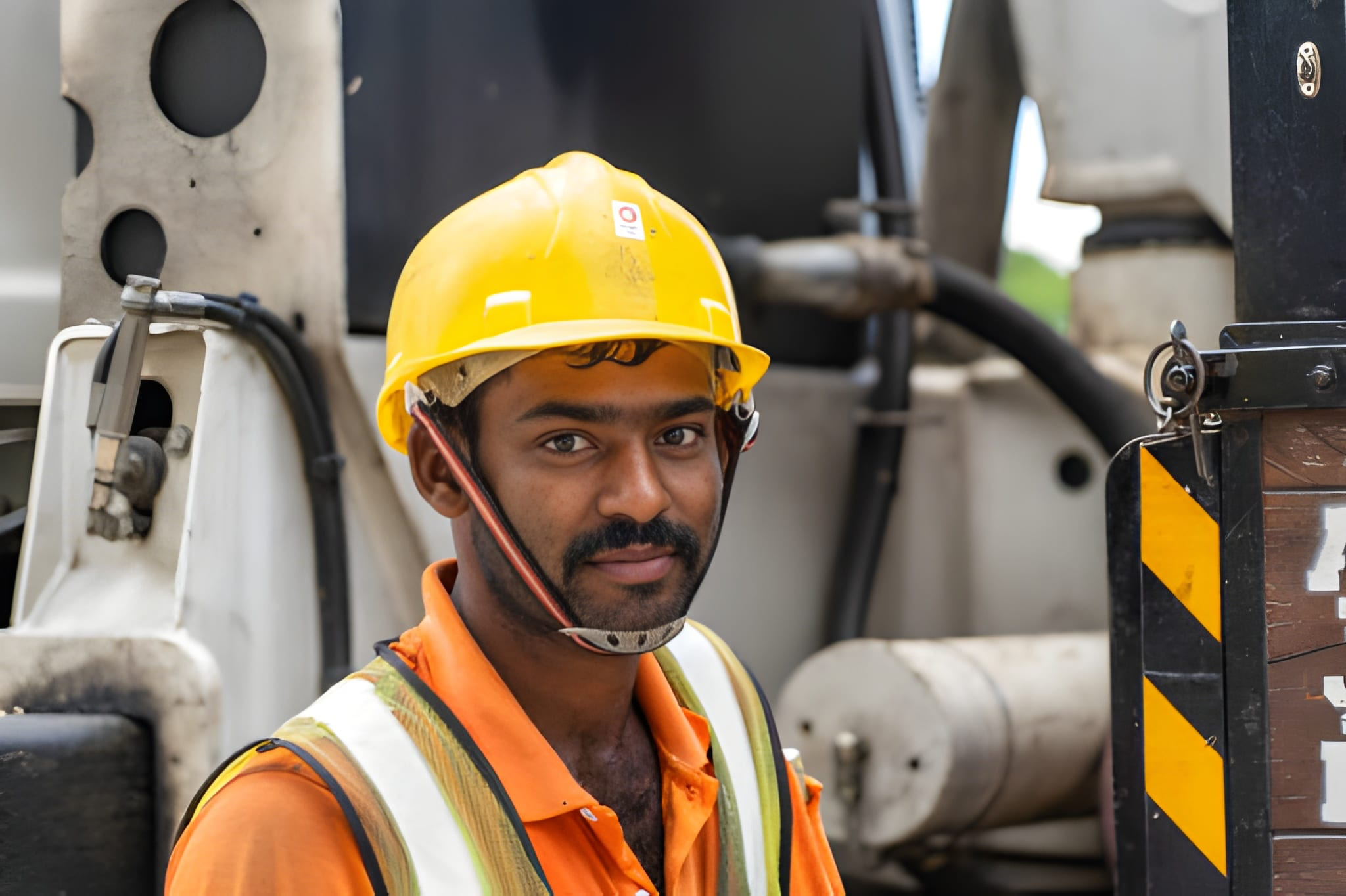
The ambition to build a better life for yourself and your family drives millions of people around the world. For many in developing nations likeNigeria andSouth Africa, the dream of working in theUnited States represents hope, opportunity, and financial stability. However, for those without a university degree or professional certification, finding alegal pathway to work in the USA can seem complicated and filled with misinformation.
The Reality of “Unskilled” Work in the USA
In the U.S. immigration system, the term “unskilled” does not mean the job is unimportant or easy. Instead, it refers to positions that require less than two years of training or experience. These are roles that you can learn while working, such as cleaning, harvesting, assisting in construction, or performing basic manufacturing tasks.
Many of these jobs are physically demanding but essential to the U.S. economy. The proper term for these roles could be “essential worker jobs”—and the U.S. government has created specific visa categories to help fill these positions when there are not enough American workers available.
The three main visa types that allow foreign nationals to work in unskilled positions are:
- H-2A Visa – For temporary or seasonal agricultural jobs.
- H-2B Visa – For temporary or seasonal non-agricultural jobs.
- EB-3 “Other Workers” Visa – For permanent, full-time unskilled employment that can lead to a Green Card.
Understanding the Visa Sponsorship Pathways
The H-2A Visa: Agricultural Jobs
The H-2A visa is designed exclusively for seasonal agricultural work. It allows U.S. farms to legally hire foreign workers when there are not enough domestic laborers to fill the roles.
Job Examples:
- Crop pickers and fruit harvesters
- Farmworkers for planting and irrigation
- Livestock caretakers
Key Features: The job is tied to one employer and one farming season. Workers must return home after the season ends. Employers are legally required to provide free housing and transport to and from the worksite.
The H-2B Visa: Non-Agricultural Seasonal Jobs
The H-2B visa is the most popular pathway for foreigners seeking temporary unskilled work in non-agricultural sectors. It covers industries like hospitality, tourism, landscaping, and construction.
Job Examples:
- Hotel housekeepers and cleaners
- Resort kitchen assistants and dishwashers
- Construction helpers and general laborers
- Amusement park attendants and ride operators
- Landscaping and grounds maintenance staff
Key Features: The H-2B visa is valid for less than one year, tied to one employer, and subject to an annual cap set by the U.S. government. Because of high demand, early application is important.
The EB-3 “Other Workers” Visa: Permanent Employment
The EB-3 “Other Workers” visa is a long-term pathway that leads to permanent residency (Green Card). It is available for foreign nationals willing to perform unskilled labor that is not seasonal or temporary.
Job Examples:
- Food processing and meatpacking workers
- Cleaning and janitorial staff
- Factory line operators and machine attendants
Key Features: The EB-3 visa process is lengthy—it can take several years due to backlogs—but it offers permanent residence and the ability to bring your spouse and children under 21 to the U.S.
Comparison of Visa Types
| Feature | H-2A Visa | H-2B Visa | EB-3 “Other Workers” Visa |
|---|---|---|---|
| Type | Temporary Agricultural | Temporary Non-Agricultural | Permanent Residency |
| Duration | Less than 1 year | Less than 1 year | Permanent |
| Job Example | Farm or Livestock Work | Hospitality, Landscaping, Construction | Food Processing, Cleaning |
| Family Sponsorship | No | No | Yes |
| Processing Speed | Fast (months) | Fast (months) | Slow (years) |
Top Industries Offering Unskilled Jobs with Visa Sponsorship
1. Agriculture and Farming (H-2A)
America’s agricultural industry depends heavily on foreign labor for planting and harvesting. These jobs are physically demanding but vital for food production.
- Fruit and vegetable harvesters
- Farm maintenance and irrigation workers
- Animal care assistants
2. Hospitality and Tourism (H-2B)
The tourism industry hires thousands of foreign workers every year during peak seasons. Hotels, resorts, and amusement parks rely on H-2B workers for service-related roles.
- Hotel cleaners and janitors
- Waiters and kitchen support staff
- Resort attendants and groundskeepers
3. Landscaping and Groundskeeping (H-2B)
Landscaping companies across the U.S. hire seasonal workers to maintain parks, golf courses, and private properties during warmer months.
- Landscaping assistants
- Lawn maintenance crews
- Groundskeepers
4. Construction and Manual Labor (H-2B)
Construction projects often experience seasonal labor shortages. Employers hire foreign workers for physically demanding roles like assisting builders, roofers, and equipment operators.
- Construction helpers
- Site cleaners and material handlers
- Flaggers for road projects
5. Food Processing and Meatpacking (H-2B and EB-3)
Food factories and meatpacking plants operate year-round and often face worker shortages. These industries offer both temporary and permanent visa sponsorships.
- Production line workers
- Meat cutters and packers
- Cleaning and sanitation staff
How to Find Legitimate Employers Offering Visa Sponsorship
Finding a legitimate sponsoring employer is the most crucial step. Avoid paying anyone who promises to find you a U.S. job. The process should always be employer-driven and transparent.
1. Use Official Government Resources
- Foreign Labor Certification Data Center (FLCDataCenter.com): This is the official U.S. Department of Labor database listing employers who are certified to hire foreign workers.
- SeasonalJobs.dol.gov: A user-friendly portal with verified H-2A and H-2B job openings directly from certified U.S. employers.
2. Use Verified Job Boards
Trusted websites like Indeed, Glassdoor, and LinkedIn sometimes feature real U.S. visa sponsorship jobs. Use search terms such as “H-2B visa,” “H-2A visa,” or “EB-3 visa sponsorship.” Always verify the employer through official channels.
3. Contact Employers Directly
Visit official company websites under “Careers” or “Employment.” Look for seasonal job openings or international hiring notices. Contact them only through official email addresses that end in the company’s domain.
Application Process: Step-by-Step
- Find a legitimate job offer from a certified U.S. employer.
- The employer files a petition on your behalf with the U.S. Department of Labor and USCIS.
- Once approved, schedule a visa interview at your local U.S. embassy (e.g., in Lagos, Abuja, or Johannesburg).
- Attend the interview with your supporting documents (job offer, passport, police clearance, etc.).
- If approved, you’ll receive your work visa to enter and work legally in the U.S.
How to Avoid Scams
Unfortunately, visa-related fraud is common. Protect yourself with these critical reminders:
- Never pay anyone for a job offer or sponsorship. U.S. employers cover all petition-related fees.
- Avoid recruiters using personal email addresses like Gmail or Yahoo.
- Be suspicious of promises that sound too good to be true (e.g., “$5,000/month with free house and car”).
- Never skip an embassy interview — it is a required step in every legitimate visa process.
- Always confirm the company’s registration through the U.S. Department of Labor database.
Conclusion
The path to working in the United States as an unskilled worker is real — but it requires patience, careful research, and awareness. Whether through the H-2A agricultural program, the H-2B non-agricultural route, or the EB-3 permanent worker visa, there are genuine opportunities for hardworking individuals from Nigeria, South Africa, and other developing countries.
Stay alert, rely on official information, and avoid shortcuts or paid promises. Your journey to a legal job in the U.S. is possible — and with determination and honesty, you can turn your dream into a lasting reality.